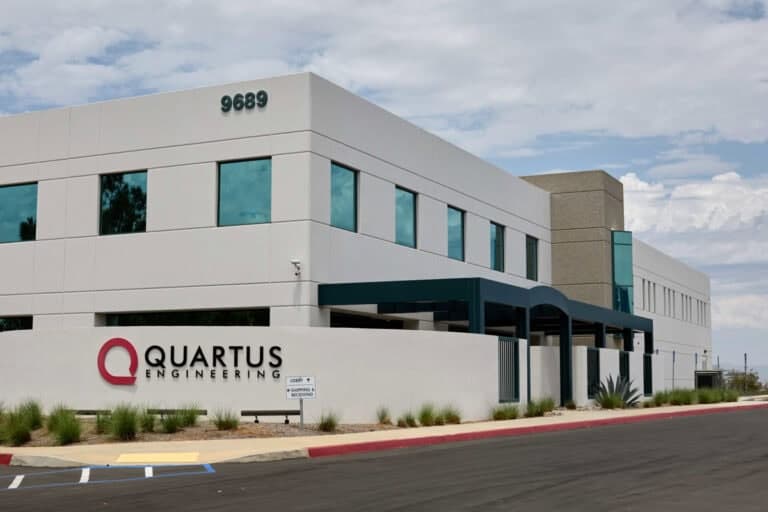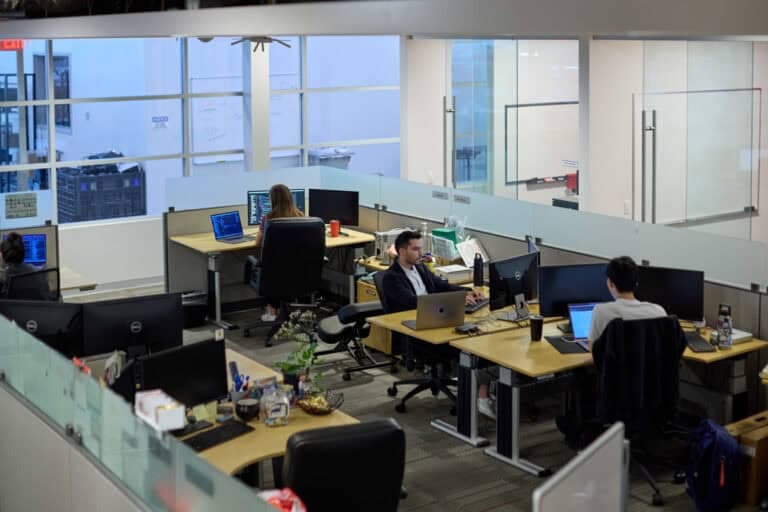

Quartus Engineering Brand Film. A Blue Barn Creative case study with Bell Collaborative.
Quartus Engineering didn't need a brand film. They needed to look like a peer of the bigger companies they compete with. That's a different problem, and it changes every decision downstream.
The brief came to us through Bell Collaborative, a creative agency working with Quartus on their flagship brand video. On paper, the ask was straightforward: a two-and-a-half-minute film for the homepage, a corporate headshot library, and a lifestyle photography library to feed ongoing marketing. Underneath the brief was a harder question. How do you make a precision engineering firm in San Diego look like the obvious choice when aerospace and defense buyers are comparing them to companies five times their size?
Most of our best work at Blue Barn Creative happens when the client comes to us with a positioning problem disguised as a content request. Quartus was one of those.
Key takeaways
- A brand film built to close a credibility gap is a different kind of project than a brand film built to document a company.
- Quartus Engineering needed to look like a peer of bigger aerospace and defense competitors, and every production decision had to serve that goal.
- Running photo and video in tandem across three days protected the client's engineers and operations staff from being pulled off their work twice.
- Filming inside clean rooms required full protective gear and tight 30-minute windows, but the resulting footage became some of the strongest evidence of Quartus's seriousness.
- Three and a half years after delivery, the brand film is still the hero video on quartus.com, and Blue Barn photography is deployed across the company's website.
- Blue Barn Creative produced the Quartus brand film and photography in partnership with Bell Collaborative.
What changes when credibility is the deliverable
When the job is to document a company, the brief is about coverage. Capture the people, the work, the spaces. Tell a true story. When the job is to close a credibility gap, the brief is about positioning. Every frame either makes the client look like a peer of their bigger competitors, or it doesn't.
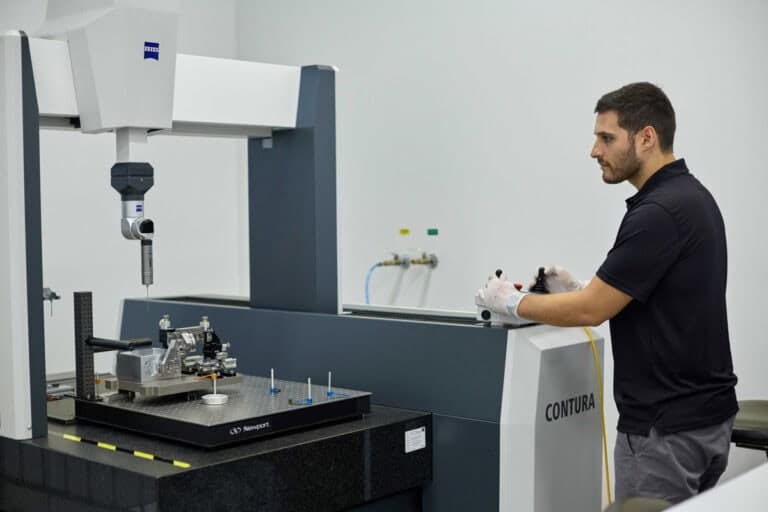
Quartus builds optical instruments, custom metrology solutions, advanced mechanisms, and simulation services for aerospace, defense, and life sciences clients. Their work sits next to companies with much larger headcounts, larger marketing budgets, and longer-tenured brand recognition. The engineers at Quartus are peer-level technically. The buyer's perception was the gap.
That changes what a brand film has to do. The film couldn't just show good work. It had to show good work in a way that closed the perception gap without ever looking like it was trying to. Posturing reads as compensation. Confidence reads as truth. The whole film had to be confidence.
This reframing affected every decision we made on the project. Schedule, crew structure, location access, interview coaching, edit pacing. All of it served the same goal.
How do you plan a three-day hybrid photo and video shoot?
You scope it around the client's people, not your own production preferences. Most production companies separate photo days from video days because each medium runs more efficiently on its own. That efficiency comes at the client's expense.
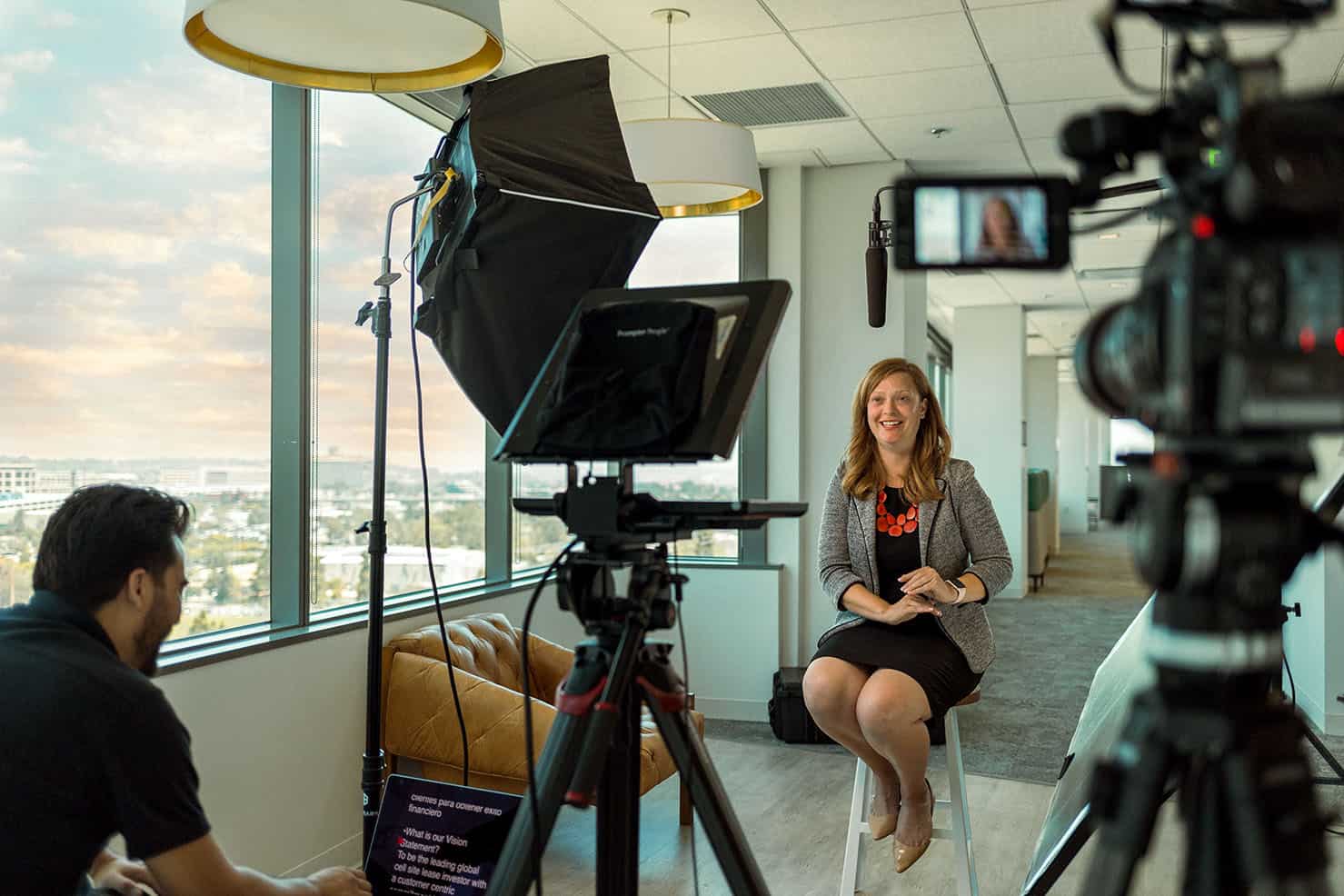
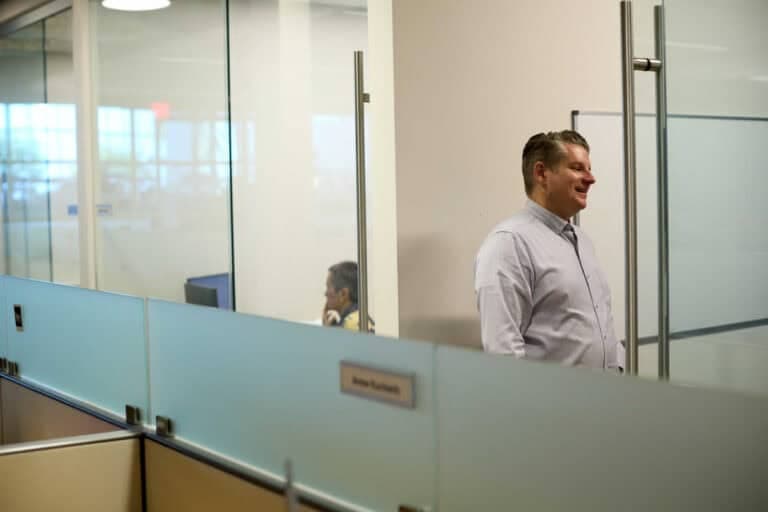
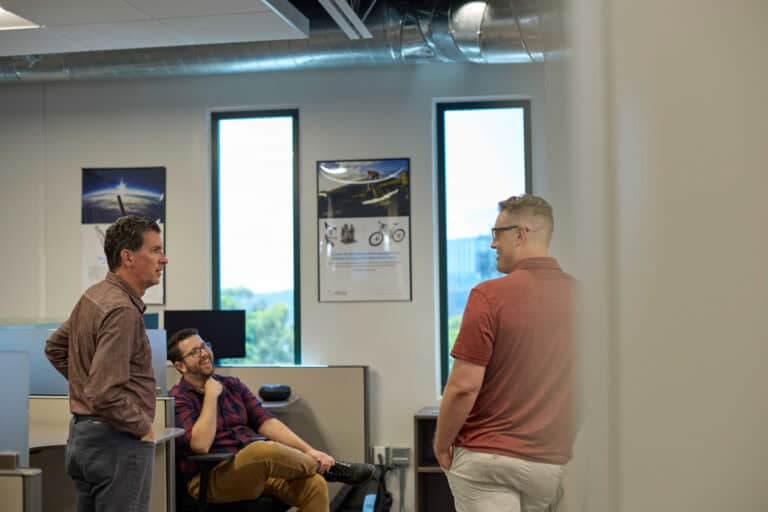
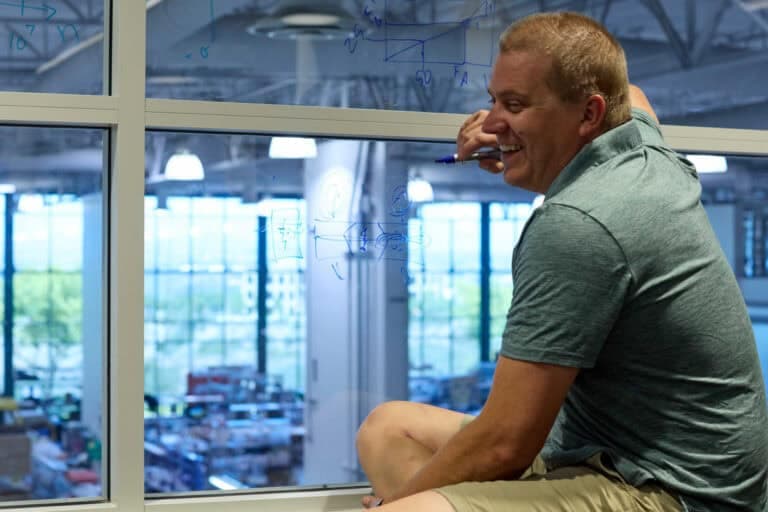
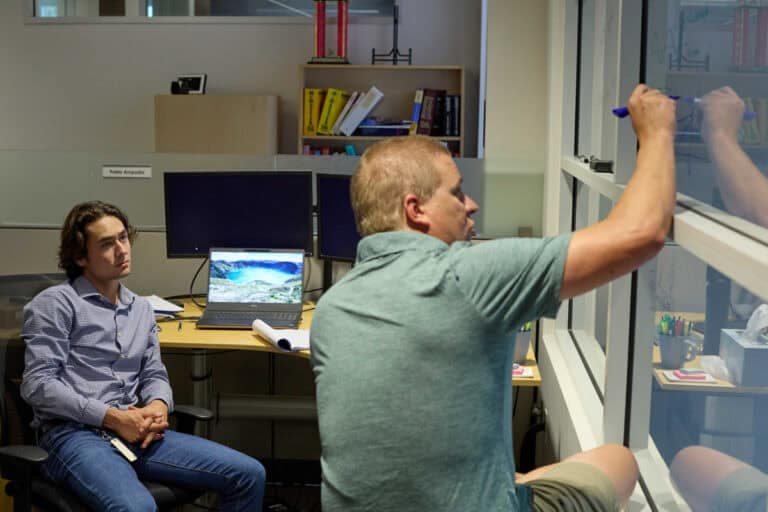
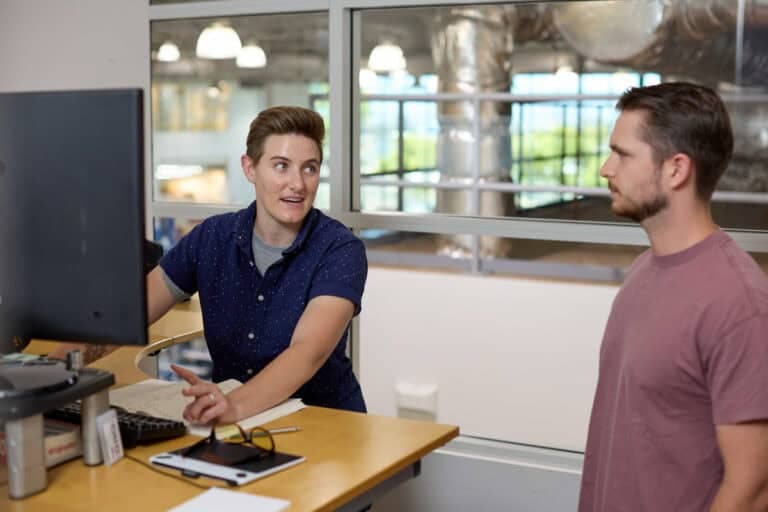
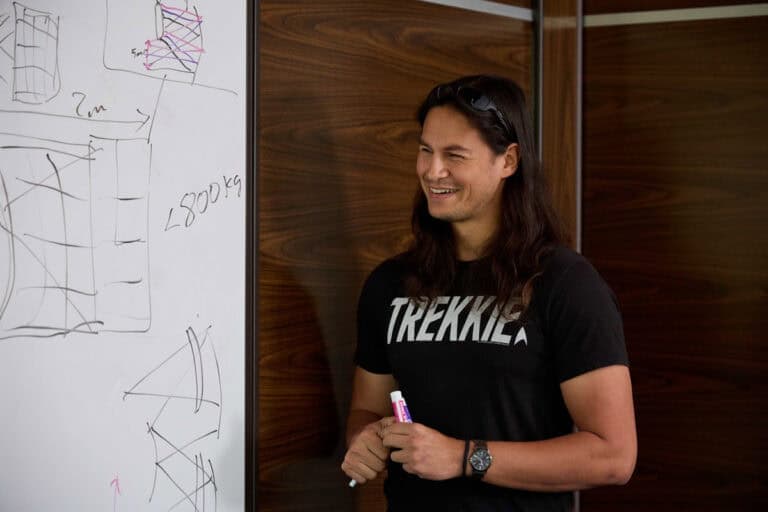
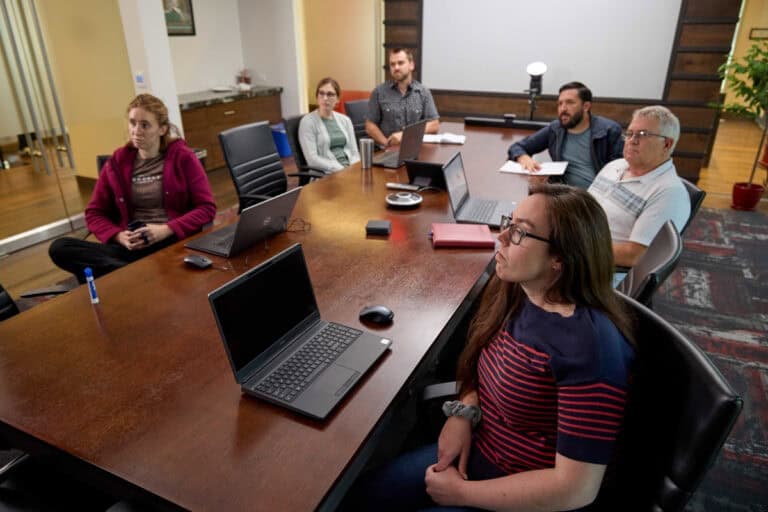
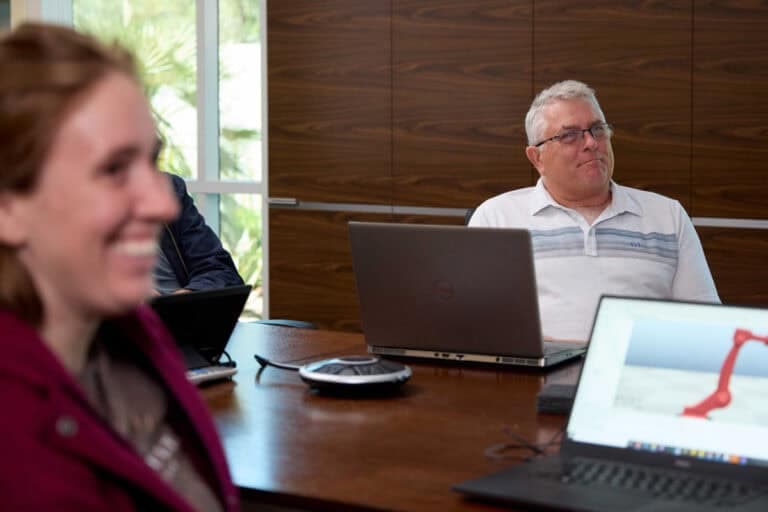
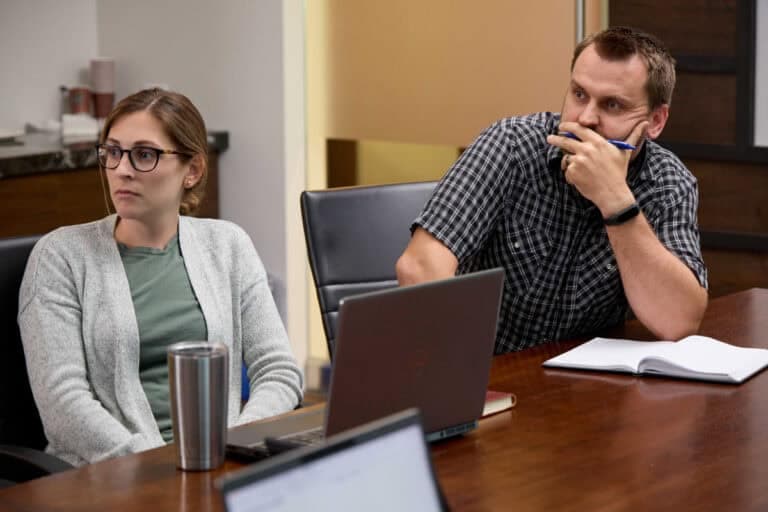
Quartus has engineers, sales staff, operations teams, and executive leadership. All of them are busy. Asking them to step away from their work twice would have created friction, risked thin participation, and signaled to the client that our convenience mattered more than their schedule. Once for video interviews and B-roll, again for headshots and lifestyle photography. Instead we ran both crews in the same working sessions across three days. Carlos directed and produced on the ground. I shot video and stills. The rest of the crew filled in lighting, audio, and logistics.
The tradeoff was on-set complexity. Two mediums sharing the same spaces means lighting compromises, faster turnaround between setups, and constant coordination between camera angles. We accepted that cost because the alternative was worse. A six-day shoot pulling Quartus's people away from their work twice would have undercut the relationship from the start.
That decision is also the model we recommend now for most engineering, biotech, and professional services clients. When the people on camera are the same people who run the company day-to-day, the production schedule has to respect their actual work.
Why filming inside the clean room mattered
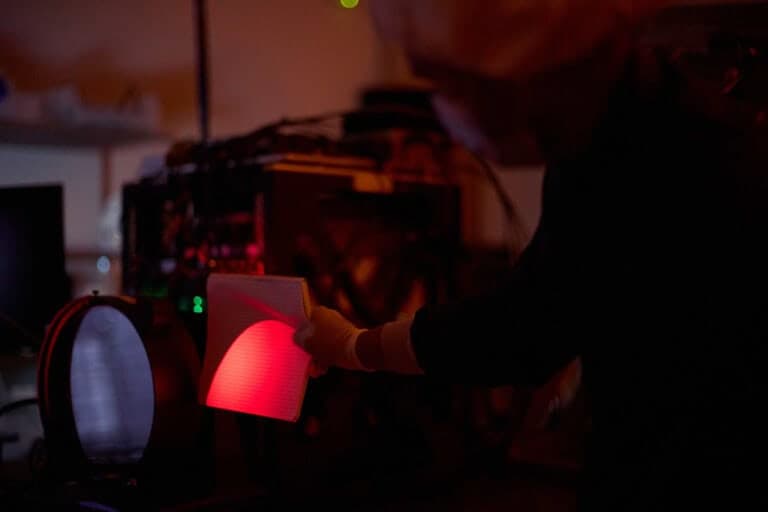
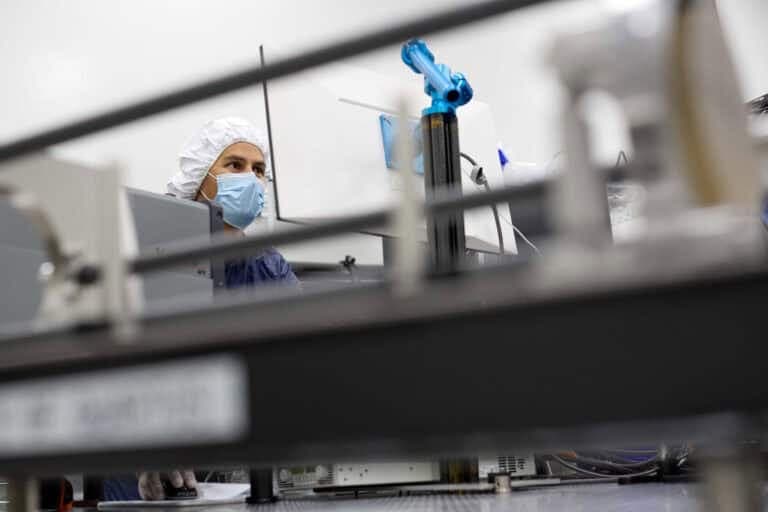
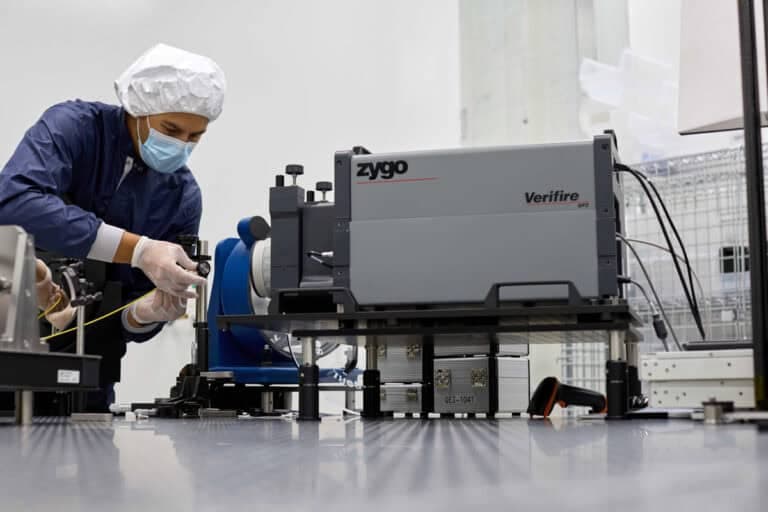
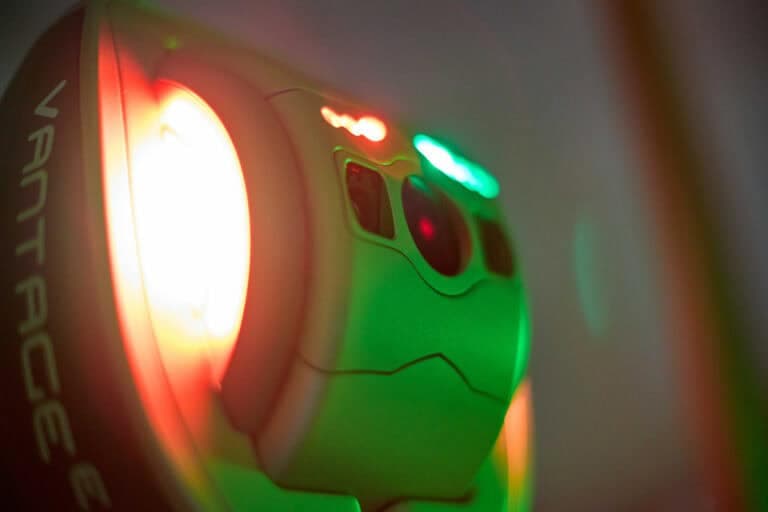
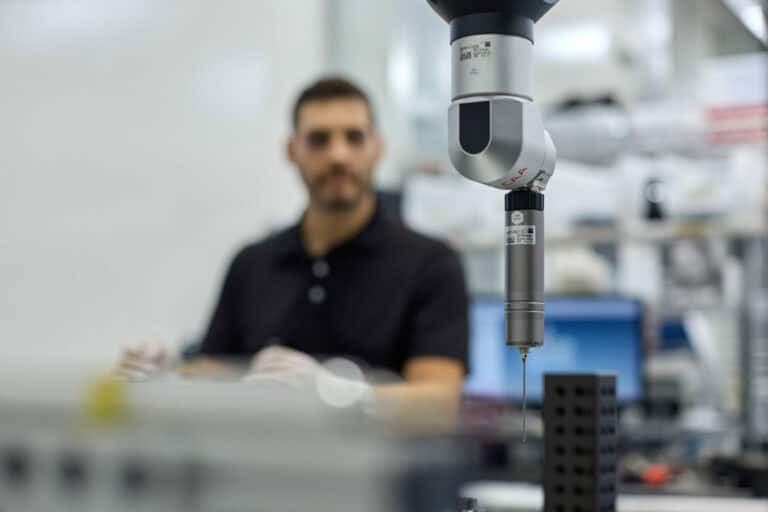
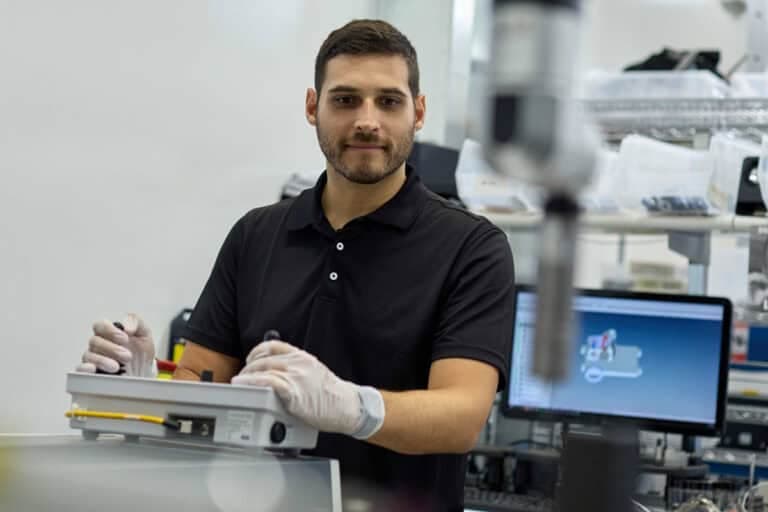
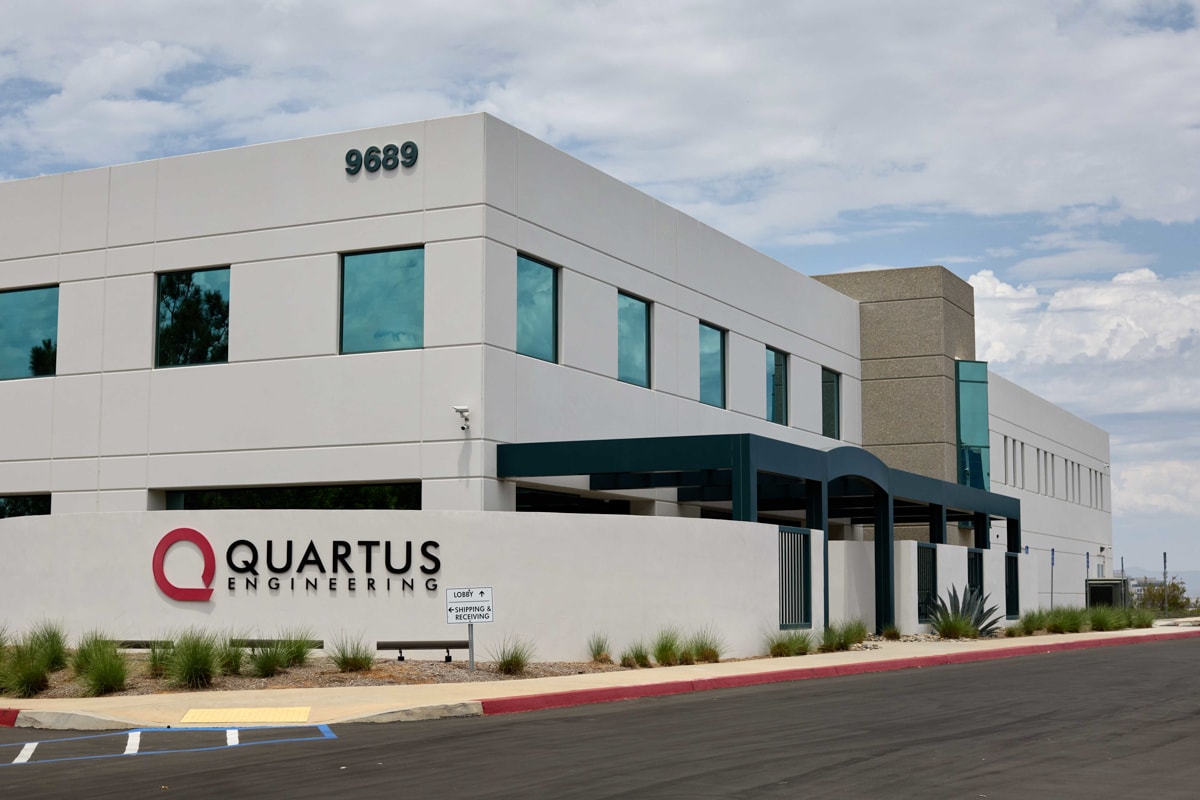
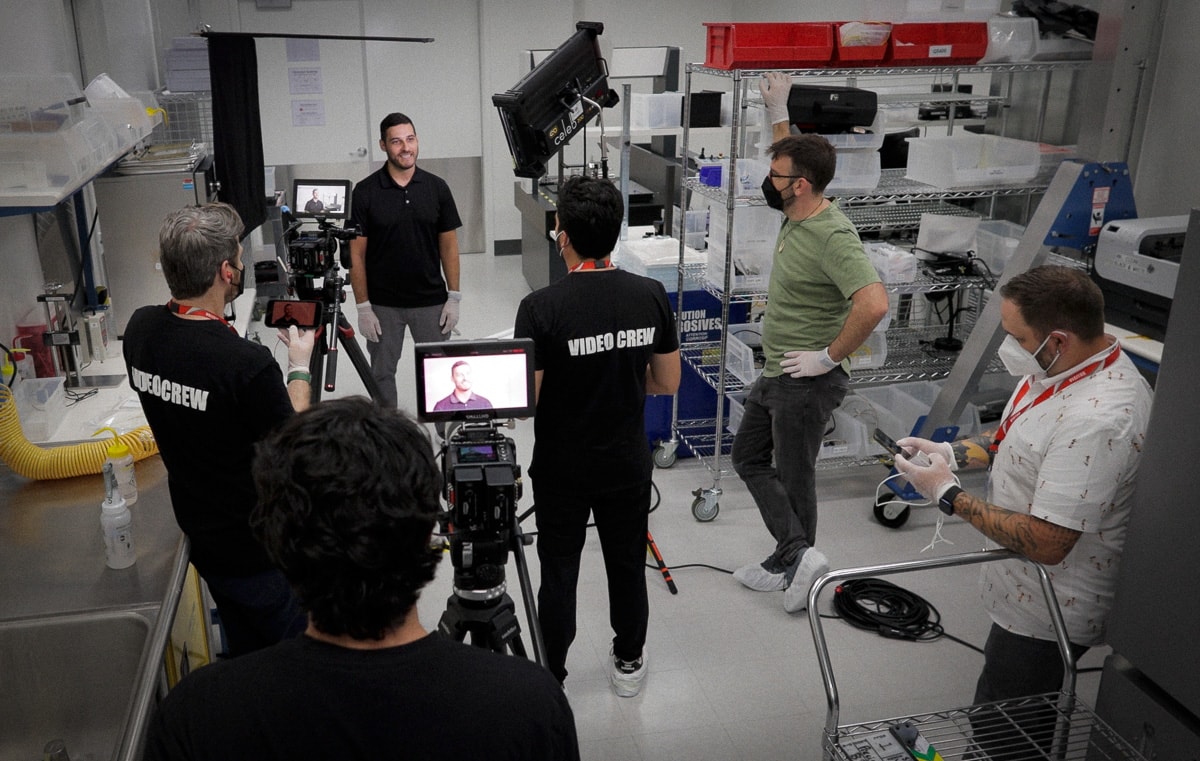
Some of Quartus's most visually compelling work happens inside clean rooms, controlled environments where any dust or contamination would compromise the sensitive equipment they build. Filming there required full protective gear for the entire crew, escorts in and out of the rooms, and a discipline of moving fast in 30-minute windows before we had to clear out.
Most production companies would have skipped these locations. The setup is hard, the windows are tight, and a lifestyle shot of engineers in a regular workspace is easier to capture. Skipping them would have undercut the whole point of the project.
The clean room is the evidence. Bigger competitors might have larger marketing budgets, but the work happening inside that clean room is genuinely peer-level. You can only show that by being in the room. The footage we captured there became some of the strongest sequences in the final cut. It proves the company's seriousness without anyone on screen having to claim it.
There's a principle inside that decision. When a brand film's job is to close a credibility gap, the hardest-to-capture footage is usually the most important footage to have. If it's easy to shoot, your competitors have probably already shot something like it.
Coaching engineers who don't talk for a living
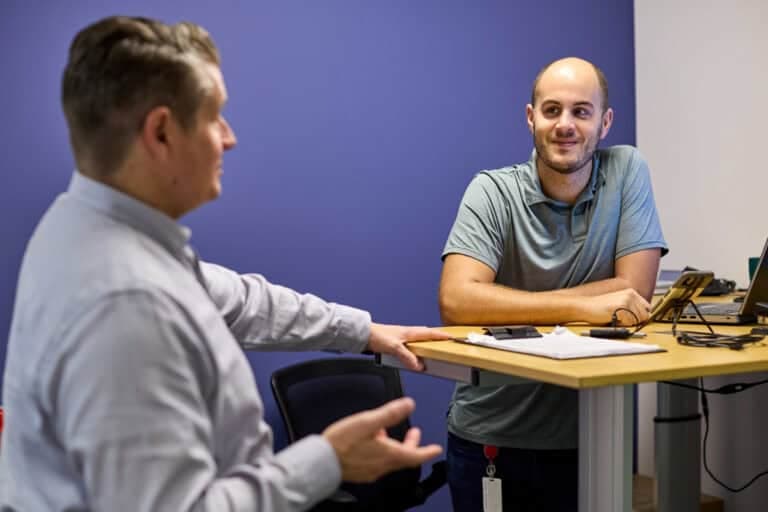
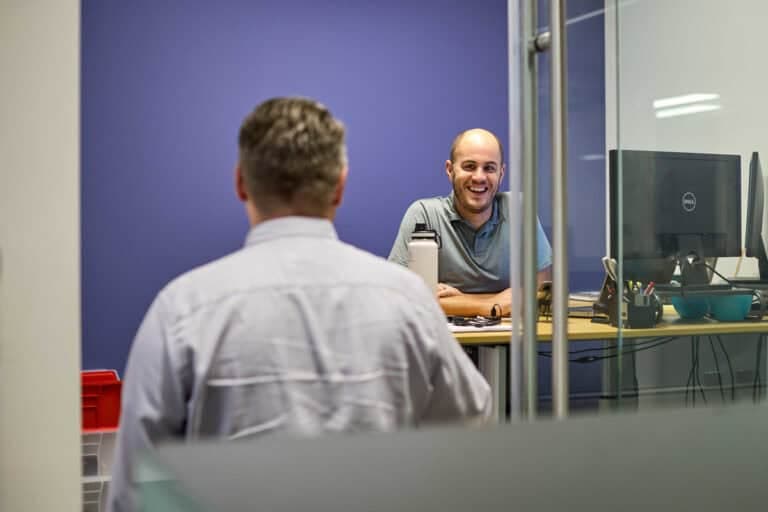
Engineers and operations staff don't naturally talk about their work in brand-film language. They talk in specifications, processes, and tolerances. Ask them what they do and they'll describe the technical work. The brand film needed them to describe why the work matters. To their clients, to their industry, to the projects that depend on them.
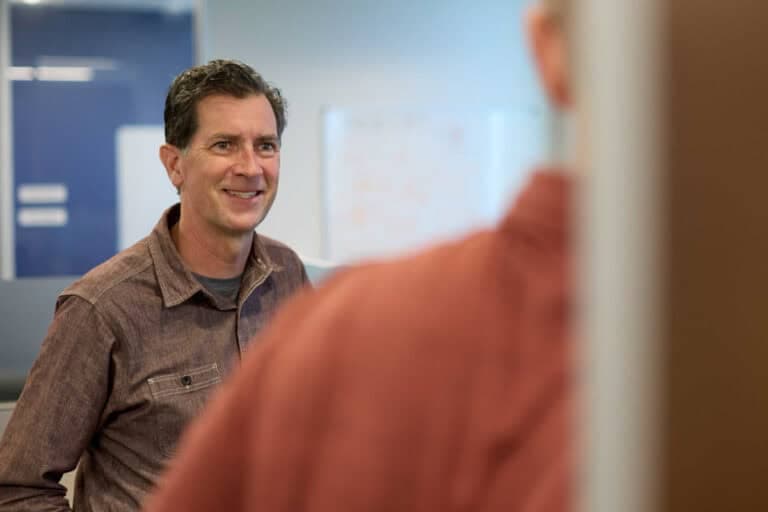
Carlos's job on set was to coach them across that gap. Not by giving them lines, but by asking questions that drew the answer out. What does your client see when this works? What happens if it doesn't? What's the part of this job that nobody outside Quartus understands?
The coaching is invisible in the final film. The people on screen look like natural communicators, which is the point. They're not. They're engineers and operators who were given the right questions and the patience to find their own words. That work happens before the camera rolls, and it's where most brand films either succeed or fail.
We also brought in additional interview footage later in the project to keep the leadership story aligned with how the company was evolving. Mid-project additions like that are normal on brand films of this scope, and they're handled the same way the original interviews were. Coaching, patience, and editorial integration in post so the final film reads as one continuous voice.
What a remote agency producer needs from a local crew
The other layer of this project was the agency relationship. Bell Collaborative was based on the opposite coast. Their Creative Content Producer, Cecily Brown, never set foot on the Quartus shoot.
That's a structural problem most agencies have when they hire local crew they've never worked with before. The producer has to trust the crew with everything they would normally handle themselves. Client tone, on-set decisions, problem-solving, the small judgment calls that shape how a shoot feels for the people in front of the camera.
The best part of the Blue Barn experience was working with such a thoughtful and professional team. Carlos, Vic, Steve, and the rest of the Blue Barn crew did an amazing job capturing everything we needed to create a brand video that truly reflected Quartus’s company culture. As a remote Producer I was able to relax and trust their process, knowing how professional, detailed and creative the Blue Barn team was throughout all of the production phases.

This is flagship Brand Video we produced for Quartus Engineering. Runtime: 2 mins. 30 sec.
The outcome, three and a half years later
The brand film delivered in 2022. The fastest way to evaluate whether a piece of branded content earned its budget is to come back and look at what the client did with it.
Quartus rebuilt their website in October 2025. New typography, new structure, new copy, new tagline ("You imagine what's next. We help you engineer it."). When a company rebuilds three years later, they typically replace most of their visual assets. Quartus kept ours.
On quartus.com today, the brand film footage is cut into the homepage hero video that autoplays behind the company's lead tagline. The full brand film is the featured Vimeo embed further down the page, under "Your project deserves an expert partner." A lot of the photography on their site is from our shoots. Not all of it, but the lifestyle and operational images that define how Quartus presents itself.
When a company rebuilds their site three years later and brings your assets forward into the new build, that's not residual use. That's evidence the work has held up.
Quartus has also returned to Blue Barn multiple times since the original project for additional photo and video. The first engagement opened a long-term content relationship that keeps feeding their marketing and sales materials. That's the version of success we care about most. Not the deliverable, the durability.
What this means for you
A brand film for a company in a credibility-positioned market is a different kind of project than a brand film for a company that just wants documentation. The brief might look identical on paper. The execution can't be.
If you're a marketing leader or founder at a company that's competing against bigger players, the question to ask before any production starts isn't "what do we want the video to look like." It's "what perception are we trying to close?" Once you answer that honestly, every decision downstream gets easier. Schedule, location access, who's on camera, how they're coached, what the edit emphasizes. All of it gets simpler when the positioning goal is clear.
A brand film isn't a record of what a company looks like today. It's a projection of how the company wants to be seen against the people it competes with. The work either earns that, or it doesn't.
Frequently asked questions
How much does a corporate brand film like this cost?
A multi-asset brand engagement of this scope — a three-day hybrid photo and video shoot, full post-production, and a photography library — typically lands in the mid-five-figure to low-six-figure range depending on crew size, locations, and deliverable count. The biggest cost drivers are shoot days, post complexity, and how many secondary assets the client needs alongside the main film.
How long does a brand film project like this take?
From the first agency call to final delivery, expect three to six months for a project of this scope. Pre-production and scheduling take longer than people expect, especially when filming requires clean-room access or coordination across multiple departments. The shoot itself is the shortest phase. Post-production is where the editorial story actually gets built.
Does Blue Barn Creative work with out-of-state creative agencies?
Yes. We've worked with agencies across the U.S. and internationally as the on-the-ground production partner for clients in San Diego and across Southern California. When you're a remote producer hiring local crew you've never worked with, the most important thing to know is whether the crew can be trusted to represent your judgment to your client. That's the role we're built for.
What's the difference between a brand film and a corporate video?
A brand film is built to define and project a company's identity, usually for the homepage or top-of-funnel marketing. A corporate video is built to inform. Training, internal communications, product explainers, sales enablement. Blue Barn Creative produces both, but the production approach for each is different from the start.